India'S First Radicals: Young Bengal And The British Empire
India's First Radicals: Young Bengal and the British Empire traces the rise of the Young Bengal movement in 1830s Calcutta and its bold challenge to social, religious, and political norms under British rule. This engaging historical work is ideal for students, history readers, and anyone curious about how early reformers reshaped modern India, delivering an energetic, empowering tone that invites reflection and discovery.
Written as a clear, narrative study, the book follows a chronological arc from the movement’s fiery beginnings in 1831 through the pivotal moments up to 1843, when activism began to crystallize into organized political action. It examines key campaigns—peasant rights, fighting corruption in law enforcement and the judiciary, legal action against mistreatment of laborers, and resistance to racial, gender, and caste discrimination—situating them within the broader social and imperial context. This hardback edition of India's First Radicals: Young Bengal and the British Empire presents the material with archival rigor, biographical portraits, and thoughtful analysis that makes complex history accessible without sacrificing depth.
Readers will discover how early ideas about rights and governance were articulated by Henry Derozio and his colleagues at Hindu College, and how their public discourse laid the groundwork for later reform movements. The narrative also engages with the idea of the formation of a political identity in 1843—an early step toward organized political action—offering a fresh perspective on the origins of India’s reformist tradition and why these radicals matter today.
- In-depth analysis of Young Bengal’s radical campaigns and ideas
- Key themes include peasant rights, anti-corruption, labor rights, and anti-discrimination
- Chronological study covering 1831–1843 and the emergence of early political organization
- Accessible, rigorous prose supported by archival research and biographical sketches
- Contextualizes the British imperial setting and the movement’s lasting impact on Indian reform
After reading India's First Radicals: Young Bengal and the British Empire, readers come away with a nuanced understanding of how early activists challenged power, shaped public discourse, and laid groundwork for India’s reform legacy. The book invites reflection on courage, ideas, and the enduring question of how ordinary people can influence history, leaving readers inspired, informed, and ready to explore more of India’s vibrant reform story.
Product Information
Product Information
Shipping & Returns
Shipping & Returns
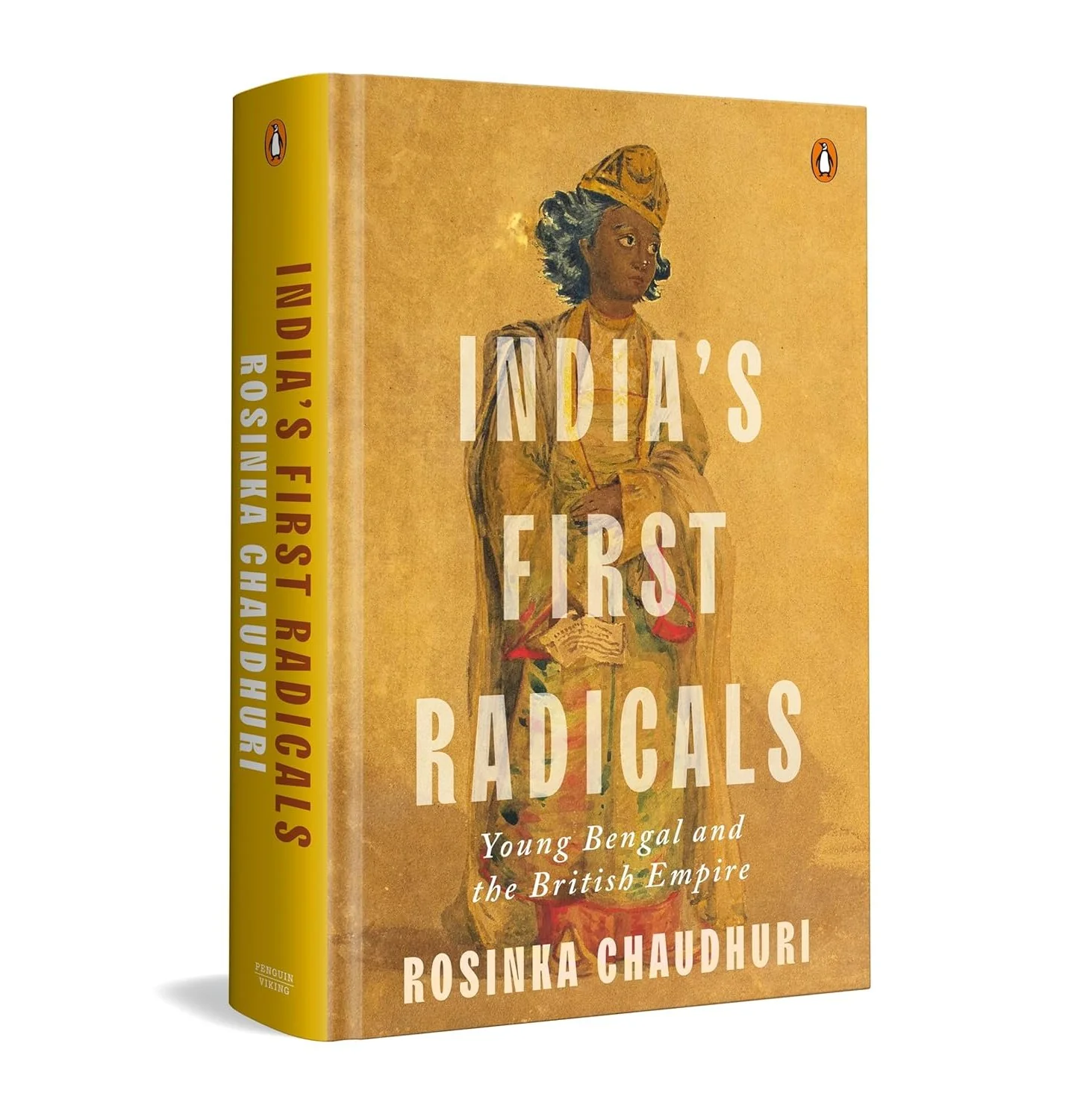
India'S First Radicals: Young Bengal And The British Empire
India'S First Radicals: Young Bengal And The British Empire
India's First Radicals: Young Bengal and the British Empire traces the rise of the Young Bengal movement in 1830s Calcutta and its bold challenge to social, religious, and political norms under British rule. This engaging historical work is ideal for students, history readers, and anyone curious about how early reformers reshaped modern India, delivering an energetic, empowering tone that invites reflection and discovery.
Written as a clear, narrative study, the book follows a chronological arc from the movement’s fiery beginnings in 1831 through the pivotal moments up to 1843, when activism began to crystallize into organized political action. It examines key campaigns—peasant rights, fighting corruption in law enforcement and the judiciary, legal action against mistreatment of laborers, and resistance to racial, gender, and caste discrimination—situating them within the broader social and imperial context. This hardback edition of India's First Radicals: Young Bengal and the British Empire presents the material with archival rigor, biographical portraits, and thoughtful analysis that makes complex history accessible without sacrificing depth.
Readers will discover how early ideas about rights and governance were articulated by Henry Derozio and his colleagues at Hindu College, and how their public discourse laid the groundwork for later reform movements. The narrative also engages with the idea of the formation of a political identity in 1843—an early step toward organized political action—offering a fresh perspective on the origins of India’s reformist tradition and why these radicals matter today.
- In-depth analysis of Young Bengal’s radical campaigns and ideas
- Key themes include peasant rights, anti-corruption, labor rights, and anti-discrimination
- Chronological study covering 1831–1843 and the emergence of early political organization
- Accessible, rigorous prose supported by archival research and biographical sketches
- Contextualizes the British imperial setting and the movement’s lasting impact on Indian reform
After reading India's First Radicals: Young Bengal and the British Empire, readers come away with a nuanced understanding of how early activists challenged power, shaped public discourse, and laid groundwork for India’s reform legacy. The book invites reflection on courage, ideas, and the enduring question of how ordinary people can influence history, leaving readers inspired, informed, and ready to explore more of India’s vibrant reform story.
Original: $8.21
-70%$8.21
$2.46Product Information
Product Information
Shipping & Returns
Shipping & Returns
Description
India's First Radicals: Young Bengal and the British Empire traces the rise of the Young Bengal movement in 1830s Calcutta and its bold challenge to social, religious, and political norms under British rule. This engaging historical work is ideal for students, history readers, and anyone curious about how early reformers reshaped modern India, delivering an energetic, empowering tone that invites reflection and discovery.
Written as a clear, narrative study, the book follows a chronological arc from the movement’s fiery beginnings in 1831 through the pivotal moments up to 1843, when activism began to crystallize into organized political action. It examines key campaigns—peasant rights, fighting corruption in law enforcement and the judiciary, legal action against mistreatment of laborers, and resistance to racial, gender, and caste discrimination—situating them within the broader social and imperial context. This hardback edition of India's First Radicals: Young Bengal and the British Empire presents the material with archival rigor, biographical portraits, and thoughtful analysis that makes complex history accessible without sacrificing depth.
Readers will discover how early ideas about rights and governance were articulated by Henry Derozio and his colleagues at Hindu College, and how their public discourse laid the groundwork for later reform movements. The narrative also engages with the idea of the formation of a political identity in 1843—an early step toward organized political action—offering a fresh perspective on the origins of India’s reformist tradition and why these radicals matter today.
- In-depth analysis of Young Bengal’s radical campaigns and ideas
- Key themes include peasant rights, anti-corruption, labor rights, and anti-discrimination
- Chronological study covering 1831–1843 and the emergence of early political organization
- Accessible, rigorous prose supported by archival research and biographical sketches
- Contextualizes the British imperial setting and the movement’s lasting impact on Indian reform
After reading India's First Radicals: Young Bengal and the British Empire, readers come away with a nuanced understanding of how early activists challenged power, shaped public discourse, and laid groundwork for India’s reform legacy. The book invites reflection on courage, ideas, and the enduring question of how ordinary people can influence history, leaving readers inspired, informed, and ready to explore more of India’s vibrant reform story.